The Dispensing
19th Sep 2024
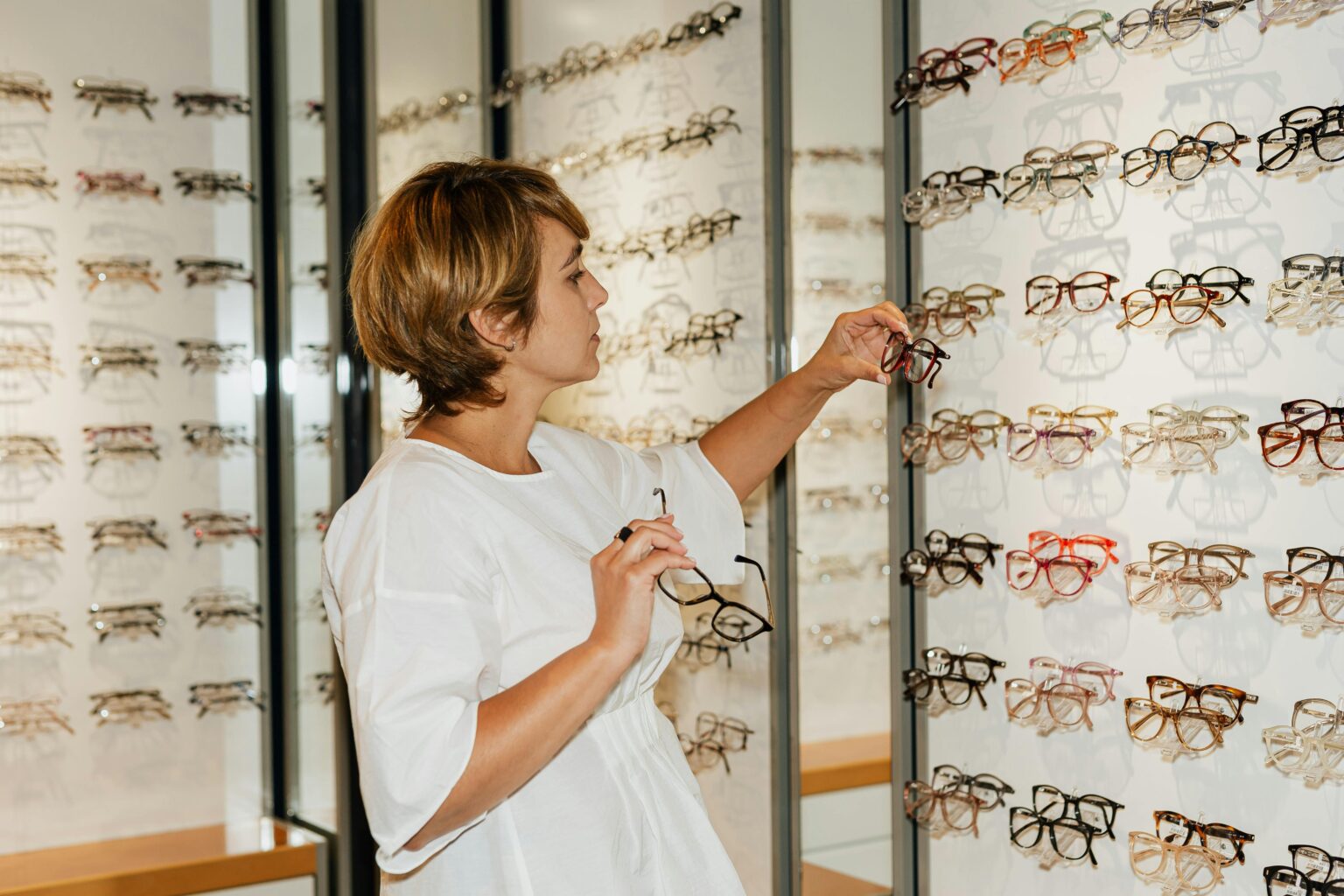
Choosing Your Frames.
In the last article ‘The Handover’ described the first three features of an ideal frame fitting. Your Assistant/Optician will take into account other considerations to achieve the perfect fit.
Although there are guidelines for selecting the right frame for your face shape, it’s the author’s opinion that it should be considered as a reference and a useful start.
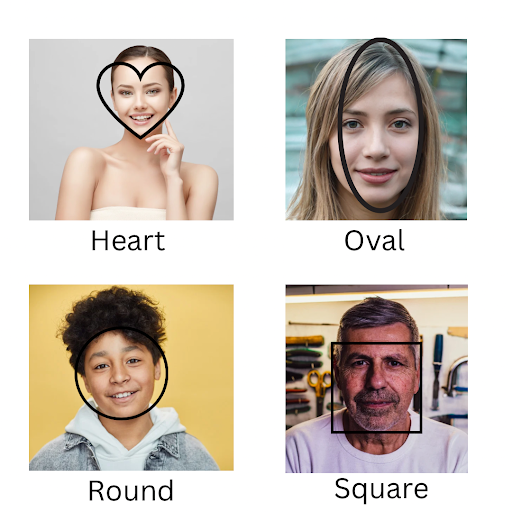
Heart Shape
Start with a narrow frame, deeper if your cheekbones allow.
Oval Shape
Start with a frame which is a little wider than the widest part of your face.
Round Shape
Start with an angular frame, either square or rectangular.
Square Shape
Start with either an oval or round-shaped frame.
Materials
Will either be made in plastic or metal. Embedded wood is a common feature to add a new dimension.
Ideally, the frame materials should be hypoallergenic with resistance to corrosion and abrasion.
Corrosion can occur in both plastic and metal. This can be reduced with the right frame fit where contact with the skin is only behind your ears and on the bridge.
Nickel, an allergenic material is present in most spectacle frames, particularly within the budget range. If you have any skin allergies, do inform your dispensing assistant/optician.
Lens Additions.
‘The Handover’ article summarised the lenses which may be recommended to you.
Your Dispensing assistant/Optician will suggest other lens features to offer lifestyle solutions and options to resolve any issues you may have with your current spectacles.
Lens Thinning – recommended for spectacle lens power from +/-3.00D, may be suggested for lower power depending on the frames. Plastic lenses are usually the first choice option. The thinnest lens is available in glass.
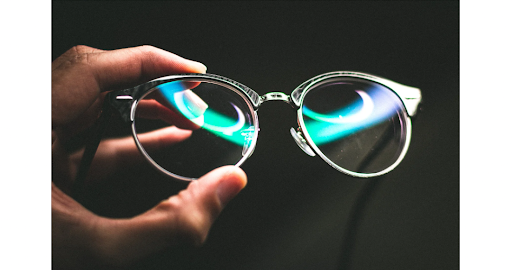
Anti reflection coating – recommended for all lenses to reduce surface reflections and give a good appearance to the spectacles when worn.
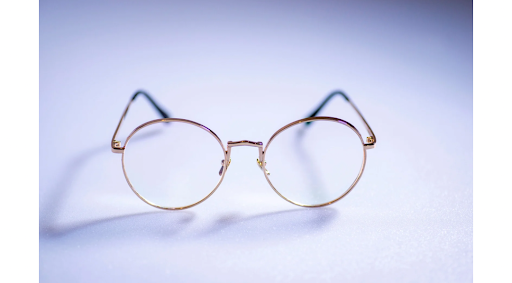
Anti-reflection with Blue filter – a clear lens with a blue hue will be suggested for night driving to filter out glare. Also may be suggested for screen users with eyestrain symptoms, although not clinically proven, it has been known to have some effect.
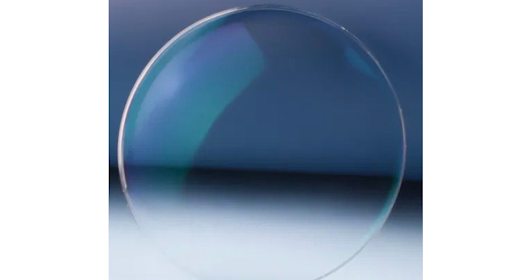
Photochromic lenses – frequently suggested by optometrists if a cataract or an eye condition has been detected. This variable tint lens is well known by the trade name Transitions(R).
This lens reduces glare by absorbing certain wavelengths of light with the molecules in the lens matrix undergoing a chemical reaction.
Also a good choice if you’re light-sensitive and for hikers, as it saves the inconvenience of carrying sunglasses and spectacles.
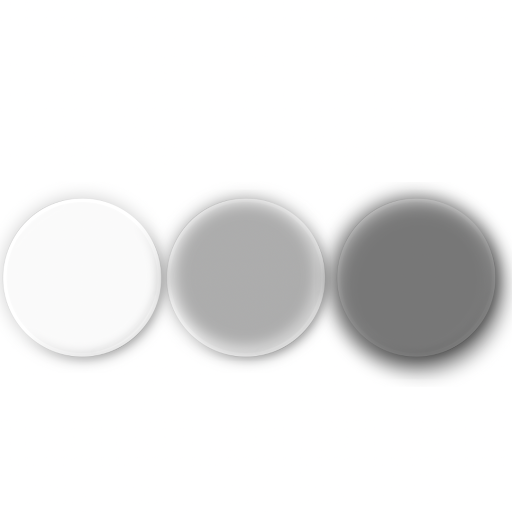
Tint – An alternative solution to photochromic lenses.
To achieve a tint, the lens is dyed and can be as light or dark as you need.
Added on to make prescription sunglasses.

The Measurements.
Once the frames and lenses have been decided, the dispensing assistant/optician will take the following measurements.
Pupillary distance – taken for all spectacle dispensing. This measurement is taken to align the optical centre of the lens to your pupils.
Vertical centres – measurement taken on all varifocal and high prescription dispensing. Taken for accurately aligning the optical centres with your pupils.
Additional Measurements.
These are taken as a preference to the dispensing assistant/optician.
Side length to bend – the point where the ‘bend’ of the side needs to be placed to fit over your ears. This ensures your spectacles are presented to you in their complete form.
Pantascopic tilt – taken to make sure the frames sit straight on your face.
Depending on where your spectacles are ordered, some practices carry out these measurements using modern equipment.