Cataract
14th Jun 2025
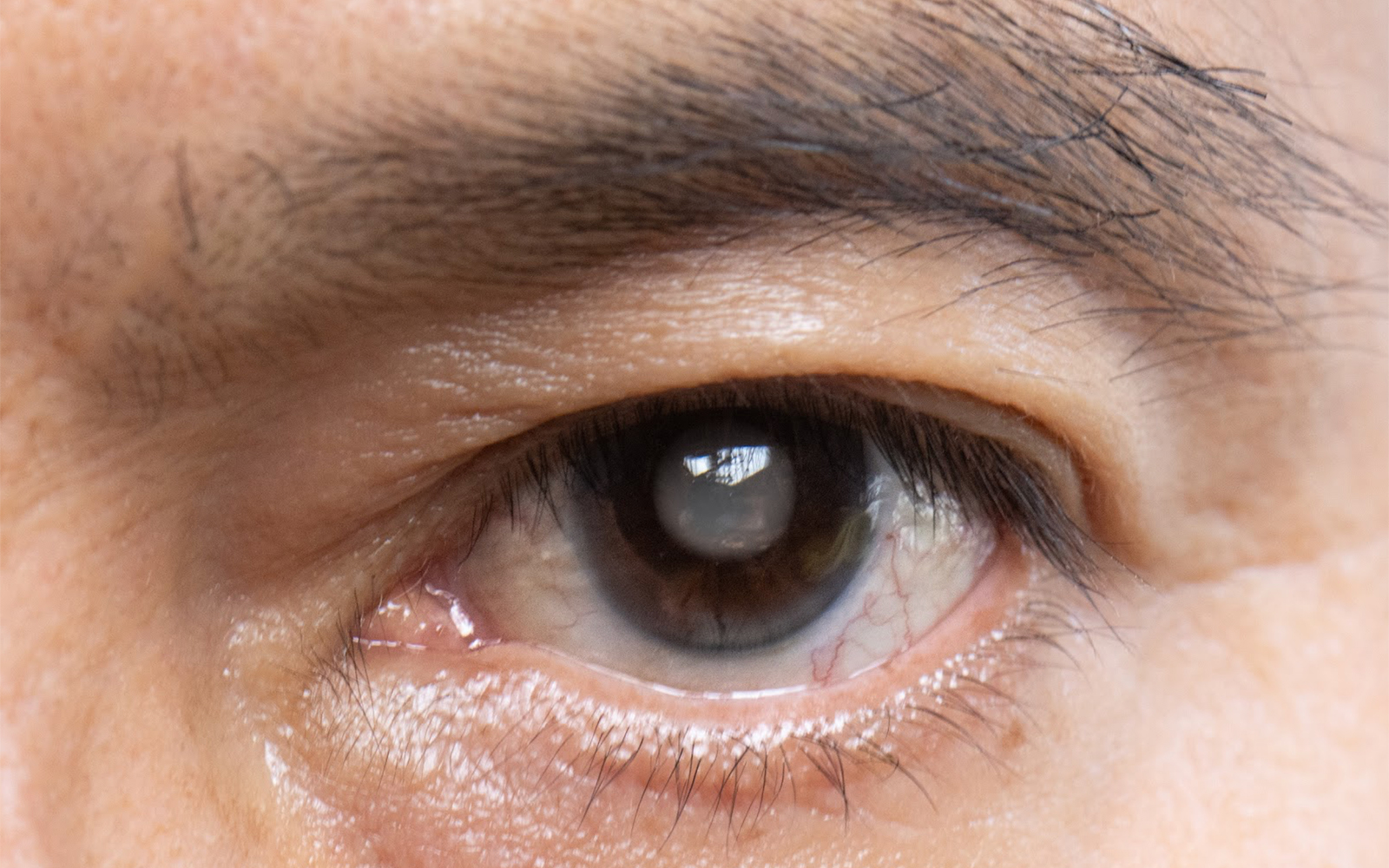
Cataract is an eye condition that affects the lens of the eye. It is caused by a build up of cells that are forced to the centre of the lens by the development of new cells in the periphery. These cells that are pushed to the centre, become ‘squashed’ and this causes clouding in vision.
The main cause has been linked to exposure to UV radiation. It is commonly seen in individuals in their 60’s-70’s onwards, Diabetics and those on medications, particularly steroids where this is a common side effect.
In some cases, it develops during gestational stage in pregnancy where babies are born with ‘congenital cataracts’. In this case it could be due to genetics, infection contracted by mother during pregnancy or there may not be a cause.
The symptoms are:
~blurry vision, some may notice an increased reliance on their spectacles, especially when they were worn for distance concentration, such as driving and watching Tv.
~cloudy vision, can be described as seeing through a ‘dirty windscreen’.
~glare.
~light sensitivity.
~colours appear dull.
~double vision (usually in one eye).
Cataracts are normally detected at early stages during an eye exam.
Click here to read about ‘The Eye Exam’.
Usually at this stage your Optometrist may not mention this if your vision is unaffected. It may be described as a ‘slight cloud’ on the lens.
As this is a slow developing condition, it would be reviewed every 2 years and if it is found that a good level of vision is possible with spectacles, then this will be the first recommendation.
When your vision is changing due to cataracts, to the point of affecting your quality of life such as driving and lack of clarity, your Optometrist will recommend a referral for cataract surgery.
Depending on protocol of your Public Medical Provider, cataract surgery may only be considered if your vision meets their criteria for treatment.
If you wish to have treatment sooner, a private consultation with an Opthalmologist would be the alternative option.
Cataract removal is the most common procedure carried out worldwide taking the least amount of time compared to other surgeries. It is carried out under a topical anaesthetic (as it is very quick).
The process involves removing the cells from the lens capsule and replacing it with an intra-ocular lens made of acrylic.
Traditionally, the aim would have been to make the spectacle prescription similar prior to treatment so the original spectacles can be worn to prevent an imbalance between your eyes.
Over the past decade, surgical techniques and the manufacture of IOLs have become more refined, patients now can choose how they would like their vision corrected.
The choices being, good vision for either distance, midrange or near. Spectacles would need to be worn for these options.
Your Optometrist may advise you to continue with spectacles until both eyes (if possible) meet the criteria for surgery(if referred to a public medical provider) as this would minimise adaptation difficulties to vision changes and eliminate imbalance between both eyes.
Treating only one eye that meets the criteria for surgery can be challenging in correcting your vision with spectacles.
It is now possible to be completely spectacle free ~ with Multifocal lens implants (MIOLs).
The procedure for this is called refractive lens exchange surgery as it can be performed regardless whether or not you have cataracts. It has become a popular choice in recent years with promising outcomes.
The MIOL has multiple rings which involves diffracting light at various distances with the eyes pupils controlling the light entering the eye.
Formation of cataract is a natural process as life goes on, there are no preventative measures for it, although wearing sunglasses, a healthy diet rich in antioxidants and lifestyle choices such as stopping smoking can reduce the rate of progression.
Click here to read ‘Your Eye Health’
If you have any questions please get in touch.