Children’s Eye Exam
14th Aug 2025
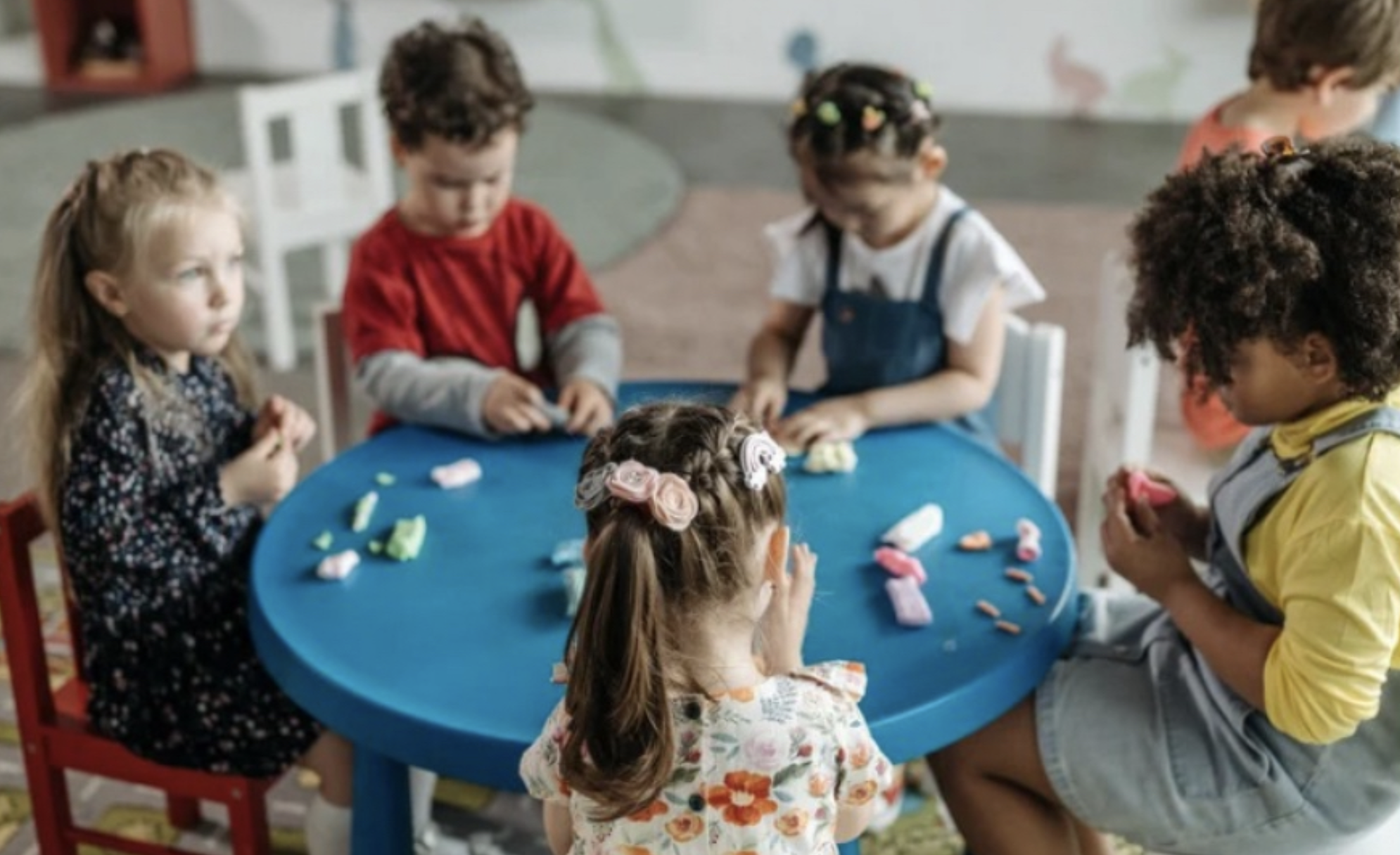
An eye exam for a child entails a series screening tests to detect any potential problems with vision.
In childhood, the eye is developing and as the child grows, vision can change during the growth stage.
The level of vision expected for a child is dependent on their age. Vision expected for a 5 year old child will differ to that of a 10 year old.
A series of tests are carried out to determine if the level of vision is on par with what is expected according to their age.
Not only vision is important, the health of the eye is also checked.
The eye exam for a child may be requested by the GP, an allied healthcare professional or by the child’s teacher.
The reasons why a child should have an eye exam:
~ they report they can’t see clearly either distance or near.
~ standing or sitting close to the tv screen when watching.
~ headaches.
~ eye ache, particularly with concentration tasks such as colouring, drawing and using a digital device
~ holding a book, object or digital device closely.
~eye rubbing.
~ squinting (screwing up eyes)
~ lack of concentration.
~ lagging performance at school/progress in education.
Whatever the reason for a child to have an eye exam, here is what to expect.
Pre-Screening
Also known as the initial exam, the folllowing will be done.
Auto-Refractor
A machine that essentially measures the focal length of the eye to estimate its “power”.
It will determine astigmatism, hyperopia and myopia.
Retinal Photography/OCT
A photograph is taken as a record of eye health. This photograph shows the surface of the retina.
At an extra cost, a scan called OCT(optical coherence tomography) may be offered which shows the layers of the retina. This scan is a useful baseline, especially for the first eye exam.
History and Symptoms
A set of questions will be asked by the Optometrist to the parent of any concerns. Questions will be asked directly to the child if they are able to answer. This includes:
~ How is their vision?
~ Are they getting headaches?
~ Does double vision occur?
Next a set of questions normally answered by parent will be on the child’s general health, any medications taken, ocular history, any eye surgeries, eye infections or injuries.
The last question will be family history, anyone in the family wears spectacles, myopia particularly, and anyone with squint or lazy eye.
These questions are asked to mainly determine risk factors.
Vision/Visual Acuity
The child will be asked to read out a set of letters, either the will be presented in a linear form or they will be asked to read the lowest line possible on the chart.
One eye will be covered with an occluder or occluding specs will be used to cover one eye at a time.
Depending on the age of the child, picture test may be used if they are not yet familiar with letters or numbers.
Cover Test
The muscle balance check. The purpose of this test is to determine if symptoms are linked(if any reported) and to detect any muscle imbalance.
Near Point Convergence (NPC)
The eyes ability to converge (turn in) is assessed and gives an indication on how well the child’s eyes can focus (accommodation). If the child has symptoms of fatigue, this test is conducted.
Ocular Motility
Another muscle balance check in different positions of gaze. This is done using a pen torch where the child follows the direction of the light with their eyes.
Stereopsis
Depth of vision is the eye’s ability to perceive objects or images that are ‘not flat’. A chart or screening slide is presented to the child with superimposed images with a gap in between. The images of different sizes are presented to the child and they asked to point out which image “looks different’. The smallest possible separation the child can detect is recorded.
Colour Vision
Red-Green defect is prevalent in males as the gene is carried on the X(female) chromosome. This test is normally carried out on boys from the age of 4. The test is done with a book with a set of coloured number plates. The child is asked to read out the number(s) they see on the plate. Any errors are recorded to determine if there is a deficiency. It is important that this test is done as early as possible as it impacts career choices.
Heath Exam
The structures of your eyes are checked as it would be for an adult. Normally an ophthalmoscope with be used to check all structures. For an older child, the slit lamp may be used.
On the anterior part ~ the eyelids, lashes, the conjunctiva and cornea.
The central part ~ the anterior chamber, the lens and vitreous.
On the posterior part ~ the retina, blood vessels, the optic nerve and macula.
The Refraction
Retinoscopy is carried out. With this procedure the pupil reflex produced by a streak of light from the retinoscope is neutralised with lenses to determine if spectacles are needed.
For young children the reflex can fluctuate which causes difficulties, making the results unreliable. If this is found, drops are instilled into the eyes to relax the eye muscles for a stable outcome. This is called Cycloplegic refraction.
If it is found that spectacles are required, further refinements are made to the final spectacle prescription.
The Outcome
The Optometrist will discuss and give a comprehensive explanation of the results. If spectacles are needed, recommendations will be made taking account of the information and assessment results.
Fortunately most eye conditions detected in childhood are treatable, if any condition detected which cannot be managed by the Optometrist will be referred to either the Opthalmologist ( medical eye doctor) or to an Orthoptist who are eyecare professionals specialising in eye muscle defects.
To maintain the eye health for children, regular eye exam ideally annually should be done, in some cases if appropriate, your Optometrist may suggest 2 years if there are no risk factors. A good diet, regular exercise, spending time outdoors(ideally 2 hours a day), and regular breaks from digital screens will ensure good eye health and vision.
If you have any questions please get in touch.