Dry Eyes
16th Jul 2025
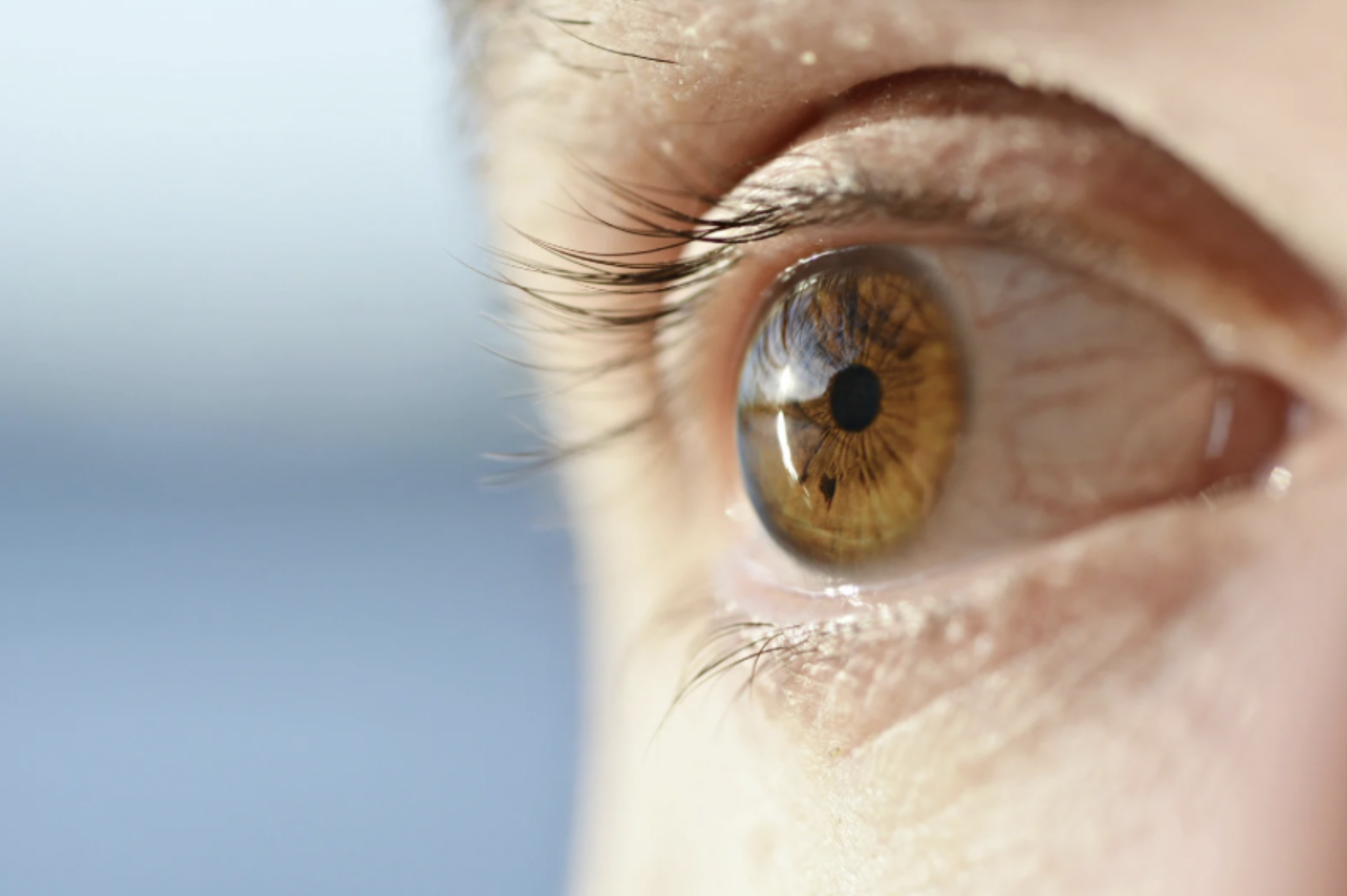
Dry eye is an eye condition caused by a lack of tears. This can be due to either the glands in our eyes is not producing enough aqueous (the watery substance) or not producing enough lipid (the oily substance).
The tear film consists of 3 layers:
~ Lipid layer: the top layer which provides lubrication to our eyes. The lipids are produced by the glands in our eyelids.
~ Aqueous layer: the middle layer which supplies nutrients to our eyes. The aqueous is produced by the lacrimal gland which is located just below the eyebrow and above the upper eyelid.
~ Mucus layer: the bottom layer which protects against inflammation and infection. The mucus is produced by glands under the upper eyelid.
The symptoms of dry eyes are:
~ burning sensation
~ itching
~ excessive eye rubbing
~ watery eyes
~ gritty sensation
~ blurring in vision
Your Optometrist will conduct specific tests to ascertain the type of dry eye you may have.
Here’s the common tests which may be conducted.
~ Fluroscein – an orange dye which is viewed under blue light on the slitlamp.
~ Lisaamine Green – a green dye which is viewed under a white light on the slitlamp.
~Tear break up time either done with fluroscein exam or tearscope.
The tearscope is a device which reflects an image on the cornea of your eye and the time taken for the image to distort is recorded.
Some Optometrists offer a service for dry eyes and will offer you a bespoke treatment plan.
Dry eye is one of the most common complaints reported in the eye exam and can have a significant impact on day to day life, for some it can be debilitating.
Click here to read ‘The Eye Exam’.
As with all health conditions, identifying the cause is the key to recommending the most appropriate treatment.
Typical causes are:
~ environment. The weather, central heating, air conditioning and smokiness are contributing factors.
~ health conditions. Sjögren’s syndrome, rosacea, diabetes, lupus, rheumatoid arthritis and thyroid conditions are linked to dry eyes.
~ hormonal. Fluctuations in hormones can affect tear production, particularly in menopause and pregnancy. Dry eyes affects women more.
~ medications. Dry eyes can be a side effect, particularly with antidepressants, contraceptive pill and some blood pressure medications.
~ concentration tasks. Driving, reading and increased screen use. This causes decreased blinking.
~ make up. Residue of makeup, eyeliner and mascara can cause blockage in the eyelid glands.
~ diet and dehydration. Lack of omega 3 and vitamin A. Alcohol is strongly linked to dry eyes.
~ lack of sleep and tired eyes.
~ eye conditions, allergic conjunctivitis, blepharitis and corneal conditions.
Treatments.
The best treatment will be recommended according to the cause. These will either be:
~ lubricating drops and/or ointment.
~ lid hygiene if due to any eye conditions or make up.
~ discuss diet and supplements. Click here to read ‘Your Eye Health‘.
~ blinking exercises.
~ recommending to wear sunglasses.
~ taking regular breaks from concentration tasks
~ increase fluid intake, water particularly.
There is now a new treatment method which is carried out by dry eye specialists using IPL (intense pulsed light).
Depending on the severity of your dry eyes, your Optometrist may refer you to see an Ophthalmologist for a treatment to retain the tears by placing plugs in the tear ducts to reduce drainage.
If you have any questions please get in touch.